
When choosing exterior materials for a building, siding plays a major role in protection, appearance, and long-term value. Many builders and designers are familiar with vinyl, wood, and fiber cement siding, but steel siding has always been an exceptional choice, and is becoming an increasingly popular option due to its incredible longevity, durability and the many varied finishes and profiles available. This raises some important questions for building owners, designers and builders alike. What is steel siding, and is it a good choice for your building?
This article explains what steel siding is, how it works, its benefits and how it compares to other cladding materials. By the end, you will have a clear understanding of why steel siding may be the right fit for your building.
Understanding Steel Siding
Steel siding is an exterior cladding material made from coated steel panels designed to protect a building from weather with strength and durability, while providing a clean and aesthetically pleasing appearance. The steel used is typically galvanized or treated with protective coatings that prevent rust and corrosion. These coatings are essential for ensuring the steel performs well over many decades.
Steel siding is manufactured in panels that are installed horizontally or vertically, depending on the panel type or desired design intent. There are many profiles and finishes available, and in many modern uses steel siding panels are designed to mimic the look of traditional siding materials such as wood clapboard or board and batten products.. Modern manufacturing techniques allow steel siding to maintain its beautiful color and finish for many years without fading or peeling, which provides added value by reducing ongoing maintenance requirements and eliminating potential replacement costs.
How Steel Siding Is Made
Steel siding begins as coils of steel that are coated with zinc or zinc based alloys to protect against rust. After that, additional layers of primer and paint are applied and baked on at high temperatures to create a strong, long lasting finish.
The coils are roll-formed into specific profiles that determine their final appearance, then cut to length. This process ensures consistent thickness, strength, and quality across each panel. Because of this highly-controlled manufacturing process, steel siding tends to have fewer defects compared to some other cladding materials.
Key Benefits of Steel Siding
Exceptional Durability
One of the biggest advantages of steel siding is its strength and its ability to resist cracking, warping, and splitting, even in extreme temperatures. It performs well in areas with heavy wind, snow, hail, or intense sun exposure.
Unlike wood siding, steel does not rot or attract insects and itholds up better than vinyl in extreme heat or cold, where many other materials may become brittle or distorted.
Long Lifespan
Steel siding products are engineered to last for decades. With proper installation and minimal maintenance, a steel siding wall system can last 40 years or more which makes it appealing to building owners who want a low-maintenance, high-performing and durable exterior finish.
Low Maintenance Requirements
Steel siding requires very little maintenance compared to wood or fiber cement siding. Because the finish is baked on, steel siding maintains its color longer than many other types of painted materials which reduces the need for repainting and touch ups over time. It does not need regular painting, staining, or sealing. Cleaning usually involves occasional washing with water to remove dirt and debris.
This low maintenance requirement is especially attractive to building owners who want a durable exterior without ongoing upkeep.
Fire Resistance
Steel siding is non combustible, making it a safer choice in areas where fire risk is a concern. It does not ignite or contribute to the spread of flames.
This fire resistance can provide peace of mind and may be viewed positively by insurance providers.
Resistance to Pests and Moisture
Steel siding does not absorb moisture, which helps prevent mold, mildew, and rot. It also does not provide a food source for insects such as termites or carpenter ants.
This resistance to pests and moisture helps protect the structure of the building and reduces the likelihood of unexpected costly repairs.
Aesthetic Options and Design Flexibility
Modern steel siding is available in a wide variety of colors, textures, and styles. Building owners can choose traditional horizontal profiles, vertical panels, or contemporary designs depending on the desired look. In many modern buildings, architects/designers and owners are using a combination of multiple steel siding profiles and finishes to create beautiful buildings that have exceptional visual interest.
Many popular steel siding products are designed to closely resemble wood grain or other natural materials. This allows building owners to achieve a classically beautiful appearance while benefiting from the unparalleled strength of steel.
The clean lines and uniform appearance of steel siding enhances curb appeal and will give any building a modern, well maintained look.
Energy Efficiency Considerations
Steel siding itself does not provide significant insulation, but it can contribute to energy efficiency when paired with proper insulation underneath. Steel siding is commonly installed as a part of a built-up wall system containing an air/vapour barrier, sub-framing or furring channels, and insulation. This built-up wall system creates a high-performing component of the total building envelope which, when installed correctly, improves thermal performance and reduces air infiltration. This can lead to more consistent indoor temperatures and lower heating and cooling costs.
Environmental Benefits of Steel Siding
Steel siding is an environmentally responsible option. Many steel siding products are made from recycled materials, and steel is fully recyclable at the end of its lifespan.
Because steel siding lasts so long, it reduces the need for frequent replacement and minimizes construction waste over time. These factors make it appealing to building owners who prioritize sustainability.
Steel Siding Compared to Other Materials
When compared to vinyl siding, steel siding offers greater durability and fire resistance. Compared to wood siding, steel requires far less maintenance and is not vulnerable to rot or insects.
Fiber cement siding offers good durability and fire resistance, but it is heavier and often requires more maintenance than steel. Steel siding stands out for its balance of strength, longevity, and low upkeep.
Is Steel Siding Right for Your Building?
Steel siding is a strong choice for building owners who value durability, safety, and long-term performance. It works well in regions with harsh weather and for building owners who want a low maintenance exterior.
It may be especially appealing for those planning to stay in their building for many years or those looking to increase curb appeal and long-term value.
Steel Siding for Commercial Buildings
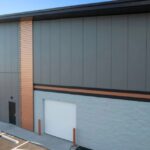
Steel siding is a practical and attractive exterior solution for commercial properties such as office buildings, retail centers, and mixed-use facilities. Its exceptional durability allows it to withstand heavy foot traffic areas, harsh weather conditions, and long-term exposure without cracking, warping, or fading.
With low maintenance requirements and a long lifespan, steel siding helps reduce ongoing repair and upkeep costs for property owners. In addition, its fire resistance, moisture protection, and wide range of colors and profiles make steel siding a smart choice for commercial buildings that need a professional appearance, dependable performance, and long-term value.
Steel Siding for Industrial Facilities
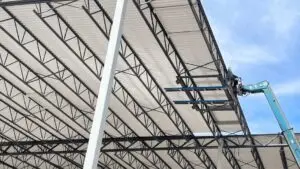
For industrial buildings such as warehouses, manufacturing plants, and distribution centers, steel siding delivers the strength and reliability required in demanding environments. Its resistance to impact, fire, moisture, and pests makes it well suited for facilities exposed to heavy equipment, temperature extremes, and continuous operation.
Steel siding’s long service life and minimal maintenance needs help reduce downtime and operational costs, while its compatibility with added insulation supports energy efficiency in temperature-controlled spaces. These performance advantages make steel siding a dependable exterior cladding option for industrial applications where durability and efficiency are critical.
Final Thoughts
So, what is steel siding? It is a durable, low maintenance, and long lasting exterior siding option made from coated steel panels designed to protect and enhance a building. With its resistance to weather, fire, pests, and moisture, steel siding offers a reliable alternative to other traditional siding materials. The long-term benefits make steel siding a worthwhile investment. For building owners looking for strength, longevity, and modern style, steel siding is a stand-out product..

No comment yet, add your voice below!