
In modern construction, no two buildings are exactly the same. Architects are constantly pushing design boundaries, contractors are working with increasingly complex specifications, and owners expect both performance and visual appeal. This is where commercial custom metal solutions play a critical role.
From intricate architectural details to structural components and exterior systems, custom metal fabrication allows builders to create tailored solutions that meet unique project requirements. Whether it’s specialized cladding, custom flashing, or precision-engineered components, metal fabrication provides the flexibility and durability needed in today’s construction landscape.
In this article, we’ll explore how commercial custom metal solutions support unique building needs and why they are essential for achieving both functional and aesthetic success.
What Are Commercial Custom Metal Solutions?
Commercial custom metal solutions refer to the design and fabrication of metal components that are specifically tailored to meet the unique requirements of a building project.
Unlike standard, off-the-shelf materials, custom metal fabrication involves creating components based on exact specifications. These solutions are commonly used in:
- Building envelopes
- Roofing systems
- Architectural cladding
- Structural supports
- Interior and exterior detailing
By using commercial custom metal solutions, architects and contractors can ensure that every element of a building fits precisely and performs as intended.
Why Custom Metal Fabrication Matters in Commercial Construction
Commercial construction projects often involve complex designs, strict performance requirements, and unique site conditions. Standard materials may not always meet these needs.
This is where commercial custom metal solutions provide a significant advantage.
Design Flexibility
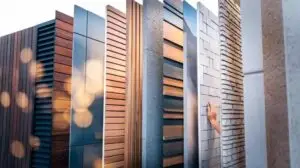
Custom metal fabrication allows architects to bring creative visions to life. Whether it’s curved panels, unique textures, or bold façade designs, custom metal makes it possible to achieve designs that would otherwise be difficult or impossible.
Precision and Fit
Every building has its own dimensions and structural requirements. Commercial custom metal solutions ensure that each component is fabricated to exact measurements, reducing the need for on-site modifications.
Enhanced Performance
Custom-fabricated components are designed to meet specific performance criteria, such as weather resistance, load-bearing capacity, and energy efficiency.
Durability
Metal is known for its strength and longevity. When fabricated correctly, custom metal components can withstand harsh environmental conditions and provide long-term reliability.
Common Applications of Custom Metal Solutions
Commercial custom metal solutions are used across a wide range of building applications.
Building Envelope Components
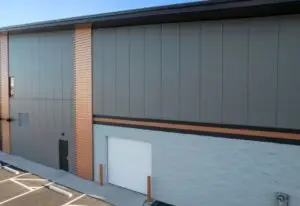
Custom metal is often used for cladding, panels, and flashing systems that protect the building from external elements. These components must be precisely fabricated to ensure proper sealing and performance.
Roofing Systems
Custom metal roofing components, including trims, edges, and drainage systems, are essential for maintaining a watertight roof.
Structural Elements
In some cases, custom metal fabrication is used to create structural components that support unique architectural designs.
Architectural Features
Decorative elements such as façade panels, sunshades, and feature walls are often created using custom metal fabrication to enhance the building’s visual appeal.
The Fabrication Process: From Concept to Installation
Understanding the fabrication process helps highlight the value of commercial custom metal solutions.
Design and Engineering
The process begins with detailed design and engineering. Fabricators work closely with architects and contractors to develop shop drawings and ensure all specifications are met.
Material Selection
Choosing the right material is critical. Options may include steel, aluminum, or other metals depending on the project’s needs.
Cutting and Forming
Advanced machinery is used to cut, bend, and shape metal components with precision. This step ensures that each piece meets exact design specifications.
Finishing
Metal components may be coated, painted, or treated to improve durability and appearance.
Installation
Once fabricated, the components are delivered to the job site and installed by experienced professionals.
Each step in this process is essential to delivering high-quality commercial custom metal solutions.
Benefits of Working With Experienced Fabrication Teams
Not all fabrication providers offer the same level of expertise. Working with experienced professionals is key to maximizing the benefits of commercial custom metal solutions.
Technical Knowledge
Experienced fabricators understand material properties, structural requirements, and industry standards.
Accuracy and Precision
Precision is critical in custom fabrication. Skilled teams ensure that every component fits perfectly and performs as expected.
Efficient Production
Professional fabrication teams use advanced equipment and streamlined processes to deliver projects on time.
Problem Solving
Complex projects often require creative solutions. Experienced teams can adapt designs and overcome challenges without compromising quality.
Integrating Custom Metal Solutions Into Building Design
To fully benefit from commercial custom metal solutions, it’s important to integrate fabrication into the design process early.
Early Collaboration
Involving fabricators during the design phase allows for better planning and more efficient production.
Coordination With Other Systems
Custom metal components must work seamlessly with other building systems, including structural framing, insulation, and mechanical systems.
Design Optimization
Fabricators can suggest design adjustments that improve performance, reduce costs, or simplify installation.
Early integration ensures that commercial custom metal solutions enhance both the design and functionality of the building.
Ensuring Quality and Performance
Quality control is essential when working with commercial custom metal solutions.
Detailed Shop Drawings
Accurate shop drawings help ensure that all components are fabricated correctly and align with project specifications.
Material Testing
High-quality materials should be tested and verified to meet performance standards.
Installation Inspections
Proper installation is critical to the performance of custom metal components. Regular inspections help ensure everything is installed correctly.
By focusing on quality at every stage, construction teams can maximize the effectiveness of commercial custom metal solutions.
Sustainability and Efficiency Benefits
Sustainability is becoming increasingly important in commercial construction, and commercial custom metal solutions support environmentally responsible building practices.
Recyclable Materials
Many metals used in construction, such as steel and aluminum, are fully recyclable.
Energy Efficiency
Custom metal components can improve insulation and reduce energy loss when used in building envelope systems.
Reduced Waste
Precision fabrication minimizes material waste, making the construction process more efficient.
These benefits make commercial custom metal solutions a smart choice for modern, sustainable construction projects.
Overcoming Common Challenges
While custom metal fabrication offers many advantages, it also comes with challenges that must be managed carefully.
Complex Designs
Highly detailed designs require precise engineering and fabrication.
Tight Timelines
Custom fabrication must be carefully scheduled to align with project timelines.
Coordination
Multiple trades must work together to ensure proper installation.
Working with experienced providers of commercial custom metal solutions helps overcome these challenges and ensures project success.
The Future of Custom Metal in Construction
As construction continues to evolve, the demand for commercial custom metal solutions is expected to grow.
Advancements in technology, including computer-aided design and automated fabrication, are making it easier to produce highly complex components with precision.
Architects are increasingly using metal to create innovative designs, while contractors rely on custom fabrication to meet performance requirements.
This trend highlights the growing importance of commercial custom metal solutions in shaping the future of commercial construction.
Conclusion
Every construction project has unique requirements, and standard materials are not always enough to meet those needs. Commercial custom metal solutions provide the flexibility, precision, and durability required to bring complex designs to life.
From building envelopes and roofing systems to architectural features and structural components, custom metal fabrication plays a vital role in modern construction. By working with experienced fabrication teams and integrating custom solutions early in the design process, project teams can ensure optimal results.
With the right approach, commercial custom metal solutions not only enhance the appearance of a building but also improve its performance, efficiency, and longevity—making them an essential component of high-quality construction.

No comment yet, add your voice below!