

Commercial buildings rely on strong structural systems that support long-term durability, safety, and performance. One of the most important structural components used in modern construction is steel decking. From warehouses and office buildings to manufacturing facilities and retail developments, steel decks provide the structural foundation for floors and roofs.
For architects, engineers, and builders, choosing the right commercial steel decking contractors is essential to ensure a successful project. Experienced contractors understand structural requirements, material specifications, and installation techniques that ensure the decking performs exactly as intended.
This guide explains the key considerations architects and contractors should understand when planning a project involving commercial steel decking, from design and material selection to installation and long-term performance.
What Is Commercial Steel Decking?
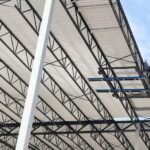
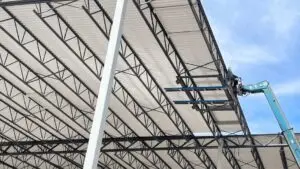
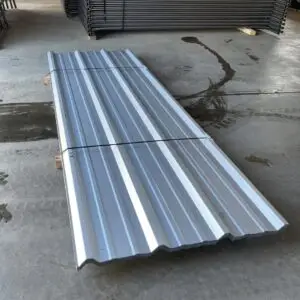
Commercial steel decking refers to corrugated steel sheets that are installed as structural support for concrete floors or roofing systems in commercial and industrial buildings. These decks act as a structural platform that distributes loads while reinforcing the overall building structure.
Steel decking is commonly used in:
- Office buildings
- Warehouses and industrial facilities
- Retail developments
- Manufacturing plants
- Institutional buildings
Because of its strength, versatility, and efficiency, steel decking has become a preferred choice in modern construction projects.
Experienced commercial steel decking contractors play an important role in ensuring the decking is installed correctly and aligned with structural engineering specifications.
Why Steel Decking Is Essential for Commercial Construction
Steel decking serves several critical structural and performance functions in commercial construction projects.
Structural Strength
Steel decks provide the structural support needed to carry heavy loads across wide spans. This allows architects to design large open interior spaces without the need for excessive structural supports.
Efficient Construction
Steel decking can be installed quickly, which helps speed up construction timelines. Professional commercial steel decking contractors are able to coordinate installations efficiently alongside other trades on-site.
Durability
Steel is highly resistant to cracking, warping, and other structural issues that may occur with alternative materials. This durability ensures the building structure remains stable for decades.
Compatibility With Concrete
Steel decks are often used in composite floor systems where concrete is poured over the decking. This combination creates a strong, reinforced floor system used in many commercial buildings.
Types of Steel Decking Used in Commercial Buildings
There are several types of steel decking used depending on the structural requirements of the project.
Roof Deck
Roof deck systems support roofing materials while maintaining structural integrity. They are designed to carry roof loads, mechanical equipment, and environmental factors like snow accumulation.
Composite Floor Deck
Composite steel decks are designed to work with concrete to create a reinforced structural floor system. The deck acts as a permanent form for concrete while also reinforcing the slab.
Form Deck
Form decks are used as a form for poured concrete floors but do not contribute to structural strength after the concrete cures.
Qualified commercial steel decking contractors will work with engineers and architects to determine which decking system is appropriate for the building’s design.
Design Considerations for Architects
Architects must consider several factors when specifying steel decking systems for commercial buildings.
Load Requirements
One of the most important factors is determining how much weight the deck must support. This includes:
- Live loads from occupants and equipment
- Dead loads from building materials
- Environmental loads such as snow or wind
Working with experienced commercial steel decking contractors ensures that the deck profile, thickness, and structural supports are correctly selected to handle these loads.
Span Capabilities
Steel decking is capable of spanning large distances between supports. However, each profile has specific span limitations.
Architects and engineers must ensure the decking system aligns with structural beam spacing to maintain safety and structural integrity.
Fire Ratings
Many commercial buildings require fire-rated assemblies to meet building codes. Steel decking systems can be designed to meet specific fire resistance ratings when paired with the right materials.
Professional commercial steel decking contractors understand these code requirements and help ensure compliance.
Acoustic and Thermal Performance
In some commercial buildings, particularly offices or institutional facilities, acoustic control and thermal insulation are important design considerations. Insulation systems can be integrated with steel decking to improve energy efficiency and sound performance.
Material Quality and Specifications
Not all steel decking materials are created equal. Architects and contractors must consider several key specifications when selecting materials.
Steel Gauge
The gauge of the steel determines the thickness and strength of the decking. Thicker steel typically provides greater load capacity but may increase project costs.
Coatings and Corrosion Protection
Steel decks are often galvanized or coated to prevent corrosion, especially in environments exposed to moisture or chemicals.
Deck Profile
Different deck profiles offer different structural performance characteristics. The profile depth and rib design impact the deck’s load capacity and spanning ability.
Experienced commercial steel decking contractors help ensure the correct materials are specified and installed to match project requirements.
Installation Considerations for Contractors
Proper installation is essential to ensure steel decking performs as intended.
Structural Alignment
Steel decking must be properly aligned with structural beams and supports. Misalignment can lead to structural issues and costly delays.
Fastening Systems
Decking panels must be securely fastened to structural framing using welds, screws, or mechanical fasteners. The fastening method depends on structural design and engineering requirements.
Coordination With Other Trades
Steel decking installation often occurs alongside structural steel work, mechanical systems, and concrete placement. Experienced commercial steel decking contractors coordinate closely with other trades to maintain efficiency and safety on-site.
Safety Procedures
Working with steel decking at heights requires strict safety protocols. Professional contractors implement safety measures to protect workers and maintain compliance with workplace regulations.
Benefits of Working With Experienced Commercial Steel Decking Contractors
Choosing skilled commercial steel decking contractors can make a significant difference in the success of a construction project.
Technical Expertise
Experienced contractors understand structural engineering requirements and building codes, ensuring installations meet design specifications.
Efficient Project Execution
Professional contractors streamline the installation process, helping projects stay on schedule.
High-Quality Workmanship
Quality installation ensures the steel decking system performs reliably over the life of the building.
Problem Solving
Unexpected challenges often arise during construction. Skilled contractors have the experience needed to quickly resolve issues without compromising structural integrity.
Common Applications for Commercial Steel Decking
Steel decking is used in a wide range of commercial and industrial buildings.
Office Buildings
Steel decking supports multi-story floor systems commonly used in office developments.
Industrial Facilities
Manufacturing plants and warehouses rely on steel decking for durable structural flooring and roofing systems.
Retail Buildings
Large retail spaces often use steel decking to support wide-span open floor layouts.
Institutional Buildings
Hospitals, schools, and government facilities frequently incorporate steel decking in their structural designs.
Working with experienced commercial steel decking contractors ensures these applications are installed according to strict industry standards.
Planning a Successful Steel Decking Project
Proper planning is critical for a successful steel decking installation.
Early Contractor Involvement
Involving commercial steel decking contractors early in the design process allows architects and engineers to benefit from practical installation insights.
Clear Engineering Specifications
Detailed shop drawings and engineering plans help ensure the installation process runs smoothly.
Quality Materials
Using high-quality materials ensures durability, structural performance, and long-term reliability.
Skilled Installation Teams
Experienced installers ensure the steel decking system is installed safely, efficiently, and according to design specifications.
The Future of Steel Decking in Commercial Construction
As commercial construction continues to evolve, steel decking remains one of the most reliable structural solutions available.
Advances in manufacturing, coatings, and engineering design are making steel decking even stronger and more versatile. With increasing demand for efficient and sustainable construction methods, steel decking will continue to play a major role in modern building design.
For architects and contractors planning new commercial developments, partnering with knowledgeable commercial steel decking contractors ensures that steel decking systems deliver the performance, safety, and durability needed for long-term success.
Conclusion
Steel decking is a vital structural component in modern commercial construction. Its strength, durability, and versatility make it an ideal solution for a wide range of building types.
However, the success of any steel decking system depends heavily on proper design, material selection, and professional installation. Architects and contractors must carefully consider load requirements, deck profiles, safety standards, and building codes when planning these systems.
By working with experienced commercial steel decking contractors, project teams can ensure their steel decking installations meet the highest standards of performance and reliability. From early design consultation to final installation, the right contractor helps ensure that every project is completed safely, efficiently, and built to last.



No comment yet, add your voice below!