

The building envelope plays a critical role in the overall performance, durability, and efficiency of any commercial or industrial structure. It acts as the barrier between the interior and exterior environments, protecting the building from moisture, air infiltration, temperature fluctuations, and structural wear.
Because of its importance, working effectively with experienced building envelope contractors is essential for architects, general contractors, and property owners. A well-executed building envelope ensures long-term performance, energy efficiency, and reduced maintenance costs, while poor execution can lead to costly issues such as leaks, insulation failure, and structural damage.
In this guide, we’ll explore how to successfully collaborate with building envelope contractors to ensure a high-quality build from start to finish.
Understanding the Role of Building Envelope Contractors
Before diving into collaboration strategies, it’s important to understand what building envelope contractors actually do.
These specialists are responsible for the design, supply, and installation of exterior building systems, including:
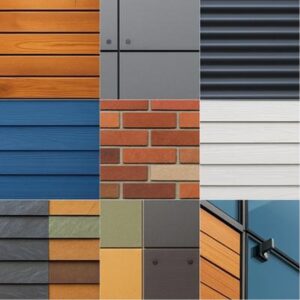
- Cladding and siding systems
- Roofing assemblies
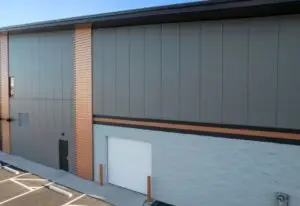
- Insulated metal panels
- Air and vapor barriers
- Waterproofing systems
Their role is to ensure that all exterior components work together as a cohesive system to protect the building and maintain energy efficiency.
Because the building envelope involves multiple interconnected systems, experienced building envelope contractors are essential for ensuring proper integration and long-term performance.
Involve Building Envelope Contractors Early in the Project
One of the most important ways to ensure a quality build is to engage building envelope contractors early in the design phase.
Early involvement allows contractors to:
- Provide input on material selection
- Identify potential design challenges
- Suggest cost-effective solutions
- Improve constructability
When building envelope contractors are brought in too late, design flaws or inefficiencies may already be built into the project, leading to delays and additional costs.
Collaborating from the beginning ensures that the building envelope is designed with real-world installation and performance in mind.
Establish Clear Communication from the Start
Clear and consistent communication is key when working with building envelope contractors.
All stakeholders—including architects, engineers, and general contractors—should be aligned on:
- Project scope and goals
- Performance requirements
- Budget expectations
- Installation timelines
Regular meetings and updates help ensure that everyone remains on the same page throughout the project.
Miscommunication can lead to errors in installation, material mismatches, or delays, all of which can compromise the quality of the building envelope.
Strong communication practices allow building envelope contractors to perform their work efficiently and accurately.
Define Performance Requirements and Specifications
A successful building envelope depends on clearly defined performance standards.
When working with building envelope contractors, it’s essential to establish detailed specifications for:
- Thermal performance (insulation values)
- Air and moisture control
- Structural performance
- Fire resistance
These requirements should be documented in project plans and reviewed with contractors to ensure full understanding.
Experienced building envelope contractors can also provide guidance on meeting or exceeding these performance standards using the right materials and installation methods.
Select the Right Materials for the Project
Material selection plays a major role in the effectiveness of a building envelope.
Working closely with building envelope contractors helps ensure that materials are chosen based on:
- Climate conditions
- Building use
- Budget considerations
- Long-term durability
For example, insulated metal panels may be ideal for energy efficiency, while certain cladding systems may offer enhanced durability in harsh weather conditions.
Choosing the right materials early in the process helps avoid costly changes later and ensures the building envelope performs as expected.
Prioritize Proper Installation Techniques
Even the best materials will fail if they are not installed correctly. That’s why working with experienced building envelope contractors is critical.
Proper installation ensures:
- Airtight and watertight seals
- Correct alignment of panels and systems
- Secure fastening and structural integrity
Contractors should follow manufacturer guidelines and industry best practices throughout the installation process.
Quality installation is one of the most important factors in achieving a durable and high-performing building envelope.
Coordinate With Other Trades on Site
The building envelope is closely connected to other building systems, including structural steel, mechanical systems, and interior finishes.
Successful collaboration requires coordination between building envelope contractors and other trades on site.
This includes:
- Scheduling installations in the correct sequence
- Avoiding conflicts between systems
- Ensuring proper integration of components
For example, penetrations for HVAC systems must be properly sealed to maintain the integrity of the envelope.
Strong coordination helps prevent gaps, leaks, and performance issues that can arise when systems are not properly integrated.
Conduct Regular Inspections and Quality Checks
Quality control is essential for ensuring that the building envelope meets performance standards.
When working with building envelope contractors, project teams should conduct inspections at key stages of the installation process.
Inspection points may include:
- Material delivery and condition
- Installation of air and vapor barriers
- Cladding and panel alignment
- Sealing and waterproofing details
Regular inspections help identify potential issues early, allowing them to be corrected before they become costly problems.
Experienced building envelope contractors often implement their own quality control processes to ensure consistent workmanship.
Focus on Long-Term Performance and Maintenance
A high-quality building envelope should be designed not only for immediate performance but also for long-term durability.
Working with knowledgeable building envelope contractors helps ensure that the system is built to withstand:
- Weather exposure
- Temperature fluctuations
- Moisture and humidity
- Wear and tear over time
Contractors can also provide guidance on maintenance requirements to extend the lifespan of the building envelope.
Planning for long-term performance reduces repair costs and helps maintain the building’s value over time.
Choose Experienced and Reliable Contractors
Not all contractors have the same level of expertise when it comes to building envelope systems.
Selecting experienced building envelope contractors is one of the most important decisions you can make for your project.
Look for contractors who offer:
- Proven industry experience
- A strong portfolio of completed projects
- Knowledge of modern materials and systems
- A reputation for quality workmanship
Experienced contractors understand how to navigate complex projects and deliver results that meet both structural and performance requirements.
Encourage Collaboration and Problem Solving
Construction projects often involve unexpected challenges. Encouraging a collaborative approach with building envelope contractors helps teams address issues quickly and effectively.
Open communication and teamwork allow contractors to:
- Suggest alternative solutions
- Adjust installation methods when needed
- Maintain project timelines without sacrificing quality
A collaborative mindset ensures that challenges are resolved in a way that supports the overall success of the project.
Conclusion
The building envelope is one of the most critical components of any commercial or industrial structure. It protects the building, enhances energy efficiency, and contributes to long-term performance.
Working effectively with experienced building envelope contractors is essential for ensuring a high-quality build. From early project involvement and clear communication to proper material selection and installation, every step plays a role in the success of the building envelope.

No comment yet, add your voice below!