
Insulated metal panels are becoming an increasingly popular building material for commercial, industrial, agricultural and even residential construction. Homeowners, builders, and property owners often hear about them but may not fully understand what they are or how they work. So what are insulated metal panels, and why are they used in so many modern buildings?
This article explains what insulated metal panels are, how they are made, where they are used, and the advantages they offer. By the end, you will have a clear understanding of why insulated metal panels may be the right choice for your project.
Understanding Insulated Metal Panels
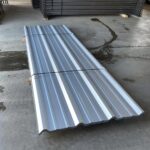
Insulated metal panels, often referred to as IMPs, are building materials that combine structural strength and insulation into a single product. They consist of two metal skins bonded to a rigid foam insulation core. These panels are designed to provide both thermal performance, building envelope continuity, and structural durability in one integrated system.
The metal skins are made from steel and are coated to resist corrosion and weather damage. The insulation core is commonly made from materials such as polyurethane, polyisocyanurate, or expanded polystyrene. Together, these components create a panel that is strong, energy efficient, and long lasting.
How Insulated Metal Panels Are Made
The manufacturing process for insulated metal panels is meticulously controlled to ensure consistent quality and conformity to the highest standards. The metal sheets are formed and coated, then bonded to the insulation core using adhesives or chemical bonding processes. This creates a tight seal between layers and prevents air gaps.
The result is a rigid panel that maintains its shape, resists moisture intrusion, and provides reliable insulation performance. Panels are produced in various thicknesses, lengths, and profiles to suit different building needs.
Key Components of Insulated Metal Panels
Metal Exterior and Interior Skins
The outer and inner layers of insulated metal panels provide strength and protection. The exterior skin shields the building from weather, UV exposure, and physical damage. The interior skin creates a clean, finished surface that can be left exposed or covered depending on the application.
These metal skins can be specified in lighter or heavier gauges, and are coated with protective finishes that enhance durability and maintain appearance over time.
Insulation Core
The insulation core is what gives insulated metal panels their energy efficiency. Rigid foam insulation provides high thermal resistance, helping buildings maintain stable indoor temperatures.
The thickness and type of insulation used determine the panel’s overall insulating value. Thicker panels generally provide better thermal performance.
Benefits of Insulated Metal Panels
Excellent Energy Efficiency
One of the main reasons people choose insulated metal panels is their energy efficiency. The continuous insulation provided by the panels reduces thermal bridging, which is a common issue in traditional construction methods.
By minimizing heat loss in winter and heat gain in summer, insulated metal panels can significantly reduce heating and cooling costs. This makes them especially attractive for energy conscious homeowners and businesses.
Fast and Efficient Installation
Insulated metal panels are designed for quick installation. Because they combine interior finish, insulation, and exterior finish into one product, they reduce the need for multiple construction steps.
This can shorten construction timelines and lower labor costs. Faster installation also reduces exposure to weather delays, which can be especially beneficial for large projects.
Strong and Durable Construction
The combination of metal skins and rigid insulation creates a panel that is both strong and lightweight. Insulated metal panels resist wind, impact, and weather damage better than many traditional building materials.
They do not rot, warp, or crack, and they perform well in harsh environments with extreme temperatures or heavy precipitation.
Low Maintenance Requirements
Buildings constructed with insulated metal panels typically require minimal maintenance. The metal surfaces resist mold, mildew, pests, and moisture damage.
Cleaning is usually limited to occasional washing to remove dirt or debris. Unlike wood or some composite materials, insulated metal panels do not need regular painting or sealing.
Moisture and Air Control
Insulated metal panels create a tight building envelope that helps control air leakage and moisture intrusion. This improves indoor comfort and reduces the risk of condensation and mold growth.
A well sealed building envelope also contributes to better indoor air quality and energy efficiency.
Common Uses for Insulated Metal Panels
Commercial/Industrial Applications
Insulated Metal Panels are an ideal building solution for commercial/industrial properties such as warehouses, office buildings, retail spaces, and manufacturing facilities due to their energy efficiency, durability, and streamlined installation process. By combining structural strength, insulation, and exterior finish into a single system, insulated metal panels help commercial/industrial buildings maintain consistent indoor temperatures, reduce heating and cooling costs, and create a tight, moisture-resistant building envelope.
Their low maintenance requirements, long service life, and modern, customizable appearance make them a practical and cost-effective choice for property owners looking to improve performance, reduce operational expenses, and achieve a clean, professional aesthetic in both new construction and renovations.
Agricultural Applications
In agricultural settings, insulated metal panels are used for barns, storage buildings, and processing facilities where temperature control is important. The all-in-one design of IMPs provides unparalleled thermal performance and moisture control which are integral components of many agricultural operations. The superior performance of an Insulated Metal Panel wall system can be a make-or-break component of the bigger picture as it relates to the climate-controlled requirements of modern agricultural facilities.
Residential Applications
IMPs are also increasingly used in residential construction, particularly for modern homes, garages, workshops, and accessory buildings. Their durability, energy efficiency, and contemporary look provide lasting value – the importance of which cannot be understated.
Design Flexibility and Appearance
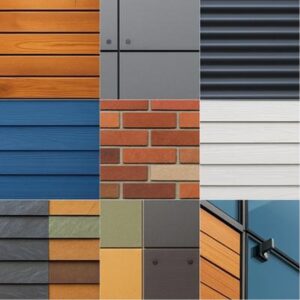
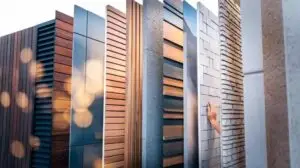
Modern insulated metal panels are available in a variety of colors, finishes, and profiles. They can be installed vertically or horizontally to achieve different architectural styles. Horizontally installed panels can also be pre-fabricated into factory-formed corner panels, adding increased aesthetic appeal.
Some panels are designed to create a sleek, modern appearance, while others are more traditional. This flexibility allows insulated metal panels to fit a wide range of design preferences.
Environmental Benefits
Insulated metal panels are often considered an environmentally responsible building option. Many panels are made from recycled metal, and the metal components are fully recyclable at the end of their lifespan.
Their long service life reduces the need for replacement materials, and their energy efficiency helps lower overall energy consumption. These factors contribute to a smaller environmental footprint compared to many traditional building materials.
Final Thoughts
So what are insulated metal panels? They are a modern building solution that combines structure, insulation, and exterior finish into a single, high performance system. With benefits such as energy efficiency, durability, low maintenance, and design flexibility, insulated metal panels are well suited for a wide range of applications. These long-term advantages make insulated metal panels a smart and practical investment.

No comment yet, add your voice below!