
Steel siding has become a top choice for commercial and residential buildings because of its durability, low maintenance, and modern aesthetic appeal. When properly installed, steel siding can last for decades, providing superior protection against weather, impact, and corrosion.
However, to achieve optimal performance and longevity, it’s essential to select the right specifications and installation methods. From panel gauge and finish type to fastening systems and insulation, each specification affects the siding’s appearance, strength, and resistance to environmental conditions.
In this post, we’ll outline the key specifications to consider when installing steel siding and how proper design and installation ensure a high-quality, long-lasting result.
Understanding Steel Siding
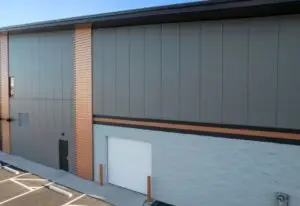
Steel siding serves as both a protective cladding and design element for buildings. Made from galvanized or coated steel panels, it shields the underlying structure from rain, snow, wind, and UV exposure while providing a clean, modern finish.
It’s commonly used on:
- Metal building exteriors
- Commercial and industrial buildings
- Modern residential designs
The performance of steel siding depends heavily on material quality, coating type, panel profile, and proper installation practices. Selecting the right specifications from the start prevents costly issues such as corrosion, oil canning, or thermal expansion damage later on.
1. Panel Gauge and Thickness
The gauge of the steel panel determines its strength, rigidity, and resistance to denting. Gauges for steel siding typically range between 22 and 29, with a lower number indicating thicker steel.
- 22–24 gauge: Heavy-duty panels ideal for commercial and industrial buildings exposed to harsh conditions.
- 26–29 gauge: Lighter panels often used in residential applications.
Thicker steel panels (22–24 gauge) provide better resistance to impact and high winds, while thinner panels may be more cost-effective for smaller projects. When selecting gauge, always balance strength requirements, structural design, and budget.
2. Coating and Finish Type
Steel siding must be properly coated to resist corrosion and maintain appearance over time. The coating serves as the first line of defense against environmental exposure.
Common Coating Types:
- Galvanized (Zinc-Coated Steel): Protects against rust through a sacrificial zinc layer. Ideal for general-purpose siding.
- Galvalume (Zinc-Aluminum Alloy): Offers superior corrosion resistance, especially in coastal or industrial environments.
- Pre-Painted Steel: Coated with durable paint systems such as PVDF (Kynar 500) or SMP (Silicone-Modified Polyester) for long-term color retention and UV protection.
Finish Considerations:
- Matte or Textured Finishes: Help minimize surface imperfections and reduce glare.
- Gloss Finishes: Offer a sleek, modern look but may highlight dents or oil canning.
A high-quality finish can extend the siding’s life expectancy by 20–40+ years, depending on maintenance and environmental exposure.
3. Panel Profile and Aesthetic Design
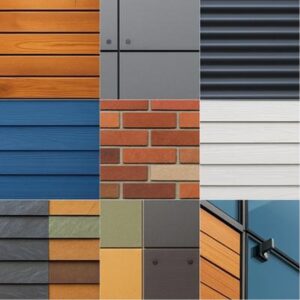
The panel profile affects both appearance and functionality. Steel siding is available in a variety of profiles, such as:
- Vertical panels: Provide a modern, streamlined look and facilitate water runoff.
- Horizontal panels: Traditional aesthetic suitable for residential or architectural styles.
- Ribbed or corrugated panels: Add strength and rigidity, reducing the likelihood of deflection.
- Flat panels: Offer a smooth, contemporary finish, often used in commercial architecture.
Choosing the right panel profile depends on building design, drainage requirements, and aesthetic goals. For large wall spans, ribbed or corrugated panels often perform best due to their ability to handle expansion and contraction.
4. Fastening System and Attachment Method
The fastening system is a critical specification that affects both appearance and performance. Improper fasteners or installation methods can lead to leaks, warping, and premature wear.
Two Main Fastening Systems:
- Exposed Fastener Systems: Panels are secured with visible screws that penetrate the face of the panel. This system is cost-effective and easy to install but requires precise fastening to avoid water infiltration.
- Concealed Fastener (Standing Seam) Systems: Fasteners are hidden beneath overlapping seams, providing a cleaner look and improved weather resistance. Common in commercial and architectural projects.
Key Fastener Considerations:
- Use self-tapping screws with neoprene washers to ensure a tight seal.
- Choose corrosion-resistant fasteners compatible with the panel’s coating (e.g., zinc-plated or stainless steel).
- Avoid over-tightening, which can distort panels and compromise waterproofing.
Proper fastening not only enhances durability but also preserves the siding’s visual appearance over time.
5. Underlayment and Moisture Barriers
Steel siding systems should include a proper underlayment or moisture barrier to protect the underlying structure from condensation and leaks.
Recommended materials include:
- Weather-resistant barriers (WRBs): Such as Tyvek or equivalent vapor-permeable membranes.
- Foil-faced insulation boards: Provide both insulation and radiant heat reflection.
- Furring strips or sub-framing: Create an air cavity that allows for drainage and ventilation.
Installing these layers correctly helps prevent mold, rot, and corrosion, particularly in climates with high humidity or frequent temperature swings.
6. Insulation and Thermal Performance
Steel siding by itself does not provide insulation, so incorporating thermal layers during installation is essential for energy efficiency.
Options Shear Metal Products include:
- Rigid foam boards: Offer continuous insulation and reduce heat transfer.
- Insulated metal panels (IMPs): Combine steel skins with built-in foam insulation for an all-in-one solution.
- Fibreglass batts: Traditional, cost-effective insulation commonly used within wall cavities.
- Mineral wool: Provides excellent thermal performance along with superior fire and sound resistance.
Adding insulation not only improves thermal performance but also reduces noise transmission and condensation buildup behind panels.
7. Expansion, Contraction, and Alignment
Steel expands and contracts with temperature changes. When designing and installing siding systems, these thermal movements must be accounted for to prevent buckling or panel separation.
Best practices include:
- Allowing adequate spacing at panel ends and joints.
- Using slotted fastener holes for thermal movement.
- Aligning panels precisely to maintain a uniform finish.
Proper layout and alignment planning ensure that temperature fluctuations don’t compromise the system’s appearance or performance.
8. Structural Support and Sub-Framing
The sub-framing system beneath the steel siding is just as important as the panels themselves. It provides attachment points and ensures the cladding system remains structurally sound.
Common materials include galvanized Z-girts, hat channels, or steel studs. These should be:
- Corrosion-resistant, ideally galvanized for longevity.
- Properly spaced to distribute loads evenly.
- Aligned accurately to avoid visible panel irregularities.
If the sub-frame isn’t level or properly secured, even high-quality panels can show gaps, distortions, or uneven seams.
9. Drainage and Ventilation Design
Moisture management is crucial in steel siding installations. Without proper drainage and ventilation, condensation can build up behind panels, leading to corrosion or mold growth.
Effective drainage design includes:
- Integrating weep holes or drainage channels.
- Ensuring air gaps behind panels using furring strips or sub-framing.
- Installing flashing and trim at corners, windows, and transitions to direct water away.
Proper ventilation also helps maintain the longevity of coatings and insulation layers.
10. Building Code Compliance and Manufacturer Specifications
Before installation, always verify that your steel siding system meets local building codes and manufacturer recommendations. Specifications such as wind load, fire resistance, and impact ratings vary depending on region and application.
Following manufacturer guidelines ensures that the system’s warranty remains valid and that the siding performs as intended.
Conclusion
Installing steel siding is more than just attaching panels, it’s about ensuring every specification, from panel gauge to fastening system, is carefully selected and properly executed. The right combination of materials and methods ensures a siding system that performs flawlessly for decades.
When designed and installed to proper specifications, steel siding offers superior strength, energy efficiency, and visual appeal, making it an excellent choice for modern commercial, industrial, and residential projects.
Partnering with a professional team that designs, supplies, and installs steel siding systems ensures the job is done right, from material selection and engineering to final installation. With the correct specifications and expertise, your building’s exterior can achieve both exceptional durability and timeless style.

No comment yet, add your voice below!