
A Practical Guide to the Protective Layer That Shapes Building Performance
When people look at a building, they usually notice its shape, design, or materials. But what they don’t see is the hidden system responsible for keeping that building comfortable, energy-efficient, and protected from the elements. This system is called the building envelope, sometimes referred to as building envelope.
Building envelope is essentially the barrier that separates the inside of a building from the outdoors. It controls things like temperature, airflow, and moisture, and it directly impacts how a building performs over time. Without a proper building envelope, even the strongest structures can suffer from drafts, water damage, energy waste, and inconsistent indoor temperatures.
In this post, we’ll break down what building envelope really is, how it works, why it matters, and what goes into creating a strong, reliable envelope for commercial and industrial buildings.
Understanding Building Envelope
The easiest way to think about building envelope is to picture it like the skin of the building. Just as skin protects the human body from heat, cold, pollutants, and moisture, the building envelope protects everything inside a structure. It includes the walls, roof, windows, doors, insulation, and all of the layers behind the exterior siding.
But it’s not a single layer. A high-performing building envelope works as a system, with different materials working together to regulate temperature, control airflow, reduce moisture, and shield the structure from weather.
This is why envelope design is considered one of the most important parts of modern construction. Get it right, and the building will be more efficient, durable, and comfortable for decades. Get it wrong, and issues like condensation, heat loss, or leaks can quickly become expensive problems.
The Core Purpose of a Building Envelope
While building envelope covers many roles, its main purpose can be summed up in four key responsibilities:
- Controlling heat
- Controlling air
- Controlling moisture
- Protecting the structure
Instead of thinking of these as separate tasks, it’s helpful to see how they work together.
During winter, for example, the envelope keeps warm air inside and cold air out. During summer, it does the opposite by blocking heat and preventing warm outdoor air from entering. At the same time, it allows the building to “breathe” enough to avoid trapping moisture inside the walls. All of this supports better indoor conditions and keeps mechanical systems from working harder than they need to.
How the Building Envelope Manages Heat
One of the most important roles of building envelope is regulating heat flow. Heat naturally moves from warm areas to cooler ones, and without proper insulation and barrier systems, a building would lose heat rapidly in cold weather and absorb unwanted heat in hot conditions.
Insulation is the main defense here. Different types, such as rigid foam, spray foam, fiberglass, or insulated metal panels, help slow heat transfer through the walls and roof. The quality and placement of insulation affect everything from energy bills to indoor comfort. Buildings with strong thermal control often feel stable and consistent, even when the outdoor temperature swings.
Another aspect is the reduction of thermal bridging, which occurs when heat escapes through structural materials like steel studs or roof fasteners. Modern envelope systems help reduce these weak spots using better insulation strategies and improved exterior cladding systems.
Airflow Control and Its Importance
While heat transfer affects comfort and energy use, airflow affects something even more impactful: the building’s overall performance. Air leaks can cause drafts, uneven temperatures, and increased energy consumption. They can also bring in dust, pollen, or pollutants, issues that directly affect indoor air quality.
A well-designed building envelope uses air barriers and properly sealed penetrations to minimize these leaks. This includes joint seals, caulking, membranes, and tighter construction methods. When airflow is properly controlled, heating and cooling systems don’t have to work as hard, and the building stays more consistently comfortable.
Moisture Control: The Difference Between Longevity and Damage
If there’s one thing that can silently destroy a building over time, it’s moisture. Even small amounts that seep into walls or roofing systems can lead to mold, corrosion, rot, and structural weakening.
The building envelope fights moisture in different ways depending on climate and design. Vapor barriers and moisture-resistant insulation help regulate condensation, while exterior cladding, flashing, and drainage planes prevent rainwater from entering the structure. But moisture control isn’t just about stopping water, it’s about managing it. A high-quality envelope lets trapped moisture escape while preventing new moisture from entering.
This balance is crucial. A building with poor moisture management will require more maintenance, more repairs, and more frequent replacements of key materials.
The Building Envelope as a Protective Shield
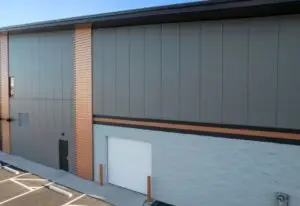
Beyond heat, air, and moisture control, building envelope also acts as a physical shield. It protects the structure from strong winds, rainstorms, snow loads, UV exposure, and changing temperatures. Metal cladding, roofing systems, and composite panels are especially popular in commercial and industrial construction because they offer durability, strength, and long-term performance with minimal upkeep.
The protective nature of the envelope also contributes to the building’s overall lifespan. A strong, well-designed envelope can significantly extend the life of the structure by reducing wear from the elements.
What Makes Up a Modern Building Envelope?
Although the envelope works as a system, it’s built from several key components. Here’s a more natural overview of what’s typically included:
Exterior cladding or siding:
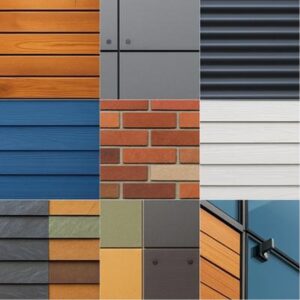
This is the visible outer surface, often metal siding, brick veneer, or composite panels. It provides weather protection and aesthetic appeal.
Insulation:
Installed in the walls and roof, insulation keeps heat where it belongs and supports consistent indoor temperatures.
Air and vapor barriers:
These hidden layers help control airflow and moisture movement, preventing leaks and condensation.
Roof system:
The roof is a major part of the envelope. It includes insulation, membranes, drainage systems, and the exterior roof finish.
Windows, doors, and openings:
These require careful sealing and installation because they interrupt the envelope. High-efficiency glazing and quality framing improve performance.
Each of these parts must be carefully integrated so the envelope performs as a cohesive, efficient system.
Why Strong Building Envelope Matters
You might wonder why so much focus is placed on building envelope. The answer is simple: it affects nearly every aspect of the building’s performance and long-term value.
A well-designed building envelope helps lower heating and cooling costs by reducing waste. It keeps indoor temperatures stable, which improves comfort and makes the building easier to manage. It also protects the structure from moisture-related issues, one of the biggest threats to building materials such as aluminum.
A strong envelope also results in fewer maintenance issues over time. Buildings with poor envelope often struggle with recurring leaks, condensation problems, energy loss, mold, or material deterioration. Fixing these issues after construction is much more costly than addressing them through proper envelope design.
Finally, energy codes are becoming increasingly strict. Many regions now require higher insulation levels, better airtightness, and improved moisture control. A high-quality building envelope helps meet these codes and supports environmental goals such as energy efficiency and reduced carbon emissions.
Final Thoughts
Building envelope might not be the most visible part of a structure, but it is one of the most important. It forms the foundation of a building’s energy performance, comfort, safety, and long-term durability. When designed well, it ensures that the building can withstand harsh weather, maintain stable temperatures, prevent moisture damage, and operate with lower energy costs.
For commercial and industrial buildings especially, investing in a strong building envelope is one of the smartest long-term decisions an owner can make. It protects the structure, reduces maintenance, and delivers a more comfortable and efficient environment for every occupant.


No comment yet, add your voice below!